What actually happens during a hair restoration consultation
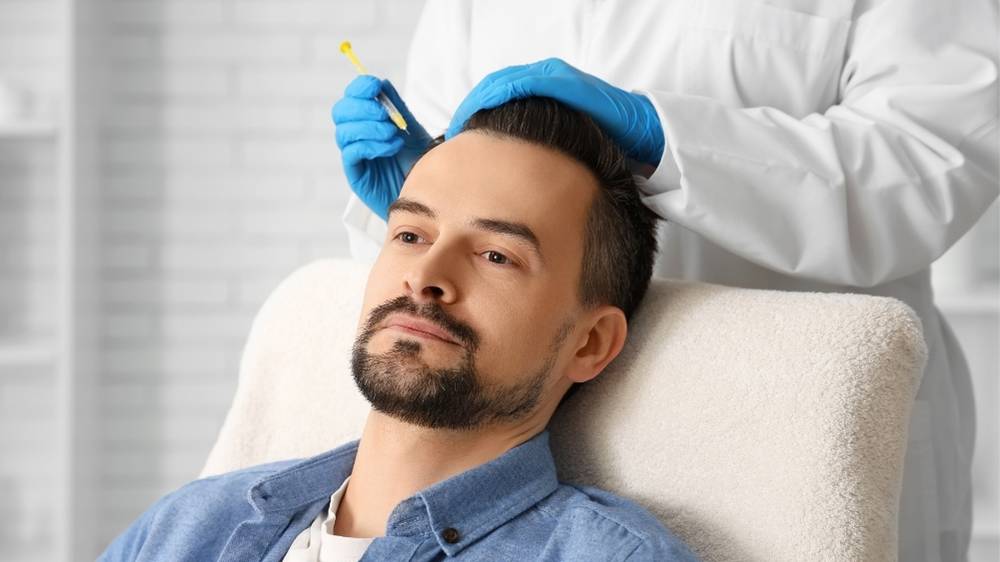
The first step in any hair restoration journey is the consultation. This is often the most nerve-wracking part for many patients, as it involves discussing an insecurity with a stranger. However, a professional Glasgow hair clinic will prioritise your comfort and privacy from the moment you walk through the door. During this initial meeting, the specialist will examine your scalp, assess the quality of your donor hair, and discuss your medical history. It is important to remember that a good clinician will be honest with you. Not everyone is a suitable candidate for a hair transplant, and a reputable clinic will tell you if non-surgical options are more appropriate for your current stage of hair loss. They will use specialised tools to measure hair density and check for any underlying scalp conditions that might need to be addressed before any treatment begins. Common topics covered in a thorough consultation include:- The underlying cause of your hair loss, whether it is male pattern baldness, alopecia, or thinning due to stress.
- Your long-term goals and what a realistic outcome looks like for your age and hair type.
- The different surgical and non-surgical techniques available and which one suits your lifestyle.
- A detailed breakdown of the costs involved and the expected timeline for results.
- An explanation of the recovery process and any necessary lifestyle adjustments.
Comparing FUE and FUT techniques in modern clinics
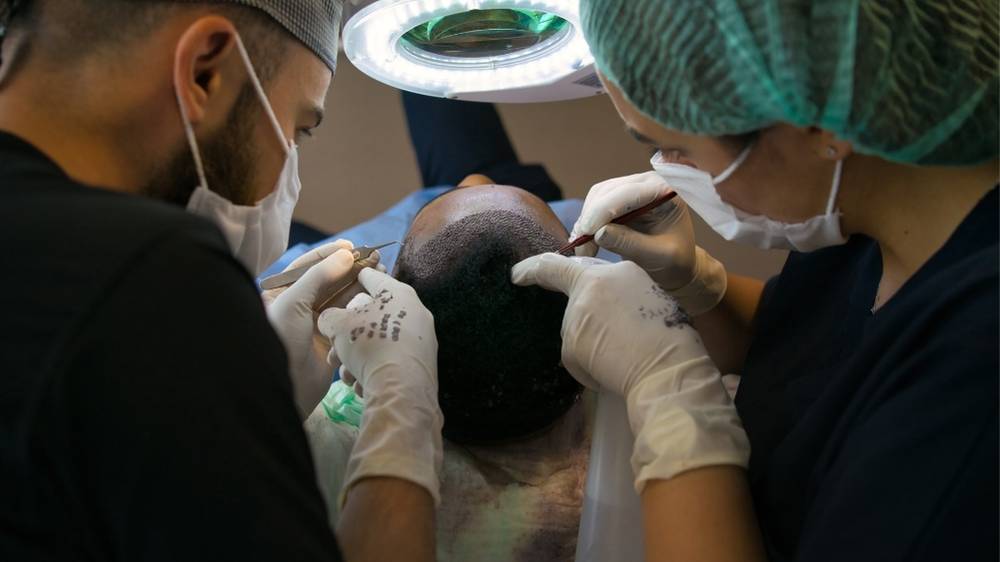
When you start researching your options at a Glasgow hair clinic, you will likely come across two main surgical acronyms: FUE and FUT. Both are effective methods of hair transplantation, but they differ significantly in how the hair is harvested and the type of scarring they leave behind. Understanding these differences is crucial for making an informed decision about your body. FUE, or Follicular Unit Extraction, is currently the most popular choice for many patients. This technique involves extracting individual hair follicles from the donor area (usually the back and sides of the head) and transplanting them into the thinning areas. Because the follicles are removed one by one, the resulting scars are tiny, circular dots that are virtually invisible, even with short hair. FUT, or Follicular Unit Transplantation, is sometimes referred to as the ‘strip method.’ In this procedure, a thin strip of scalp is removed from the donor area, and the follicles are then dissected under a microscope before being transplanted. While this method leaves a linear scar, it can sometimes be more efficient for patients requiring a very large number of grafts in a single session. The benefits of opting for the modern FUE technique include:- Minimal downtime, with most patients returning to work within a week.
- No need for stitches or staples in the donor area.
- A more natural-looking hairline as the surgeon can select specific follicles for placement.
- Less post-operative discomfort compared to more invasive methods.
- The ability to wear your hair very short without visible scarring.
How to tell if a clinic is genuinely reputable
With the rise of ‘hair tourism,’ where people travel abroad for cheap procedures, it has never been more important to verify the credentials of your chosen Glasgow hair clinic. While the lower price point of overseas clinics can be tempting, the risks of sub-standard care, lack of follow-up, and poor hygiene can lead to disastrous results that are both expensive and difficult to fix. A reputable clinic in the UK must adhere to strict regulations. You should always check if the lead surgeon is registered with the General Medical Council (GMC) and if the clinic is registered with the relevant healthcare inspectorate. Beyond the legal requirements, look for a clinic that showcases real patient results with clear, unedited photos and honest testimonials. A surgeon who is a member of international bodies like the ISHRS (International Society of Hair Restoration Surgery) demonstrates a commitment to staying at the forefront of the industry. Red flags to watch out for when choosing a clinic include:- High-pressure sales tactics or ‘limited time’ discounts that force you to decide quickly.
- Consultations led by ‘patient coordinators’ or salespeople rather than the actual surgeon.
- A lack of clear information regarding the risks and potential complications of the procedure.
- Vague answers about the surgeon’s specific experience and how many procedures they perform personally.
- Clinics that promise ‘guaranteed’ results, as hair growth is a biological process that can vary between individuals.
The importance of local aftercare and follow-up appointments
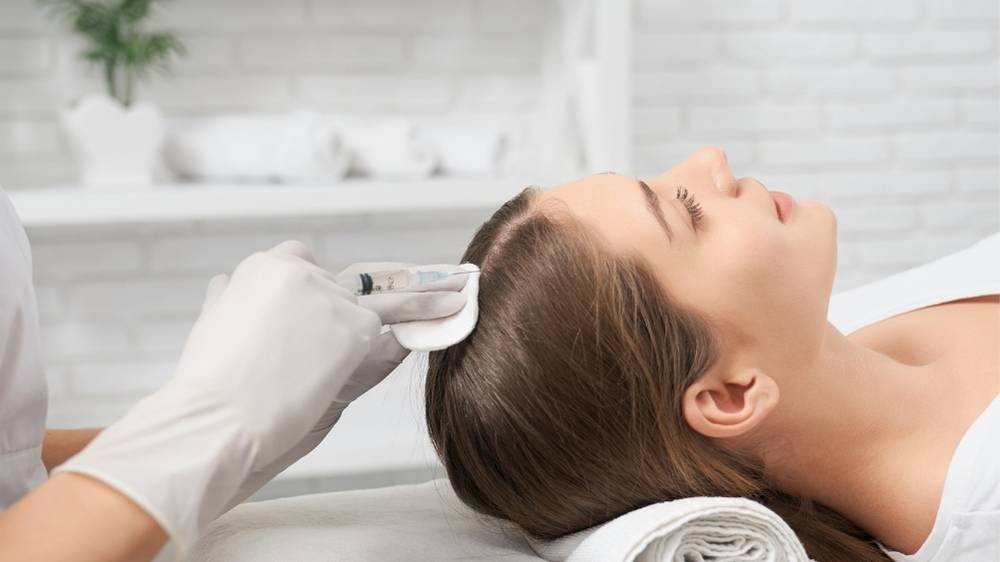
One of the biggest advantages of choosing a Glasgow hair clinic is the proximity for aftercare. A hair transplant is not a ‘one and done’ event; it is a process that requires careful monitoring in the months following the surgery. Having your surgeon nearby means that if you have any concerns about redness, swelling, or the rate of growth, you can simply book a quick face-to-face appointment. In the first few days after the procedure, the newly transplanted grafts are extremely delicate. Your clinic will provide you with a detailed aftercare kit, usually including specialised shampoos, saline sprays, and instructions on how to sleep to avoid putting pressure on the grafts. Following these instructions to the letter is just as important as the surgery itself when it comes to ensuring the best possible outcome. Around three to four months after the procedure, you might experience what is known as ‘shock loss,’ where the transplanted hair falls out. This is a completely normal part of the cycle, but it can be alarming if you aren’t prepared for it. A local clinic will be there to reassure you and track the new growth as it begins to emerge from the follicles. By the twelve-month mark, you should see the final results of your transformation, with hair that grows naturally and can be cut, styled, and coloured just like the rest of your hair. Beyond the surgery itself, many clinics offer ongoing support through non-surgical treatments to maintain your existing hair. This might include medications like Finasteride or Minoxidil, or even Platelet-Rich Plasma (PRP) therapy, which uses your own blood’s growth factors to stimulate thinning follicles. Having a long-term relationship with a local specialist ensures that your hair health is managed comprehensively as you age, giving you the best chance of keeping a full head of hair for years to come.
Oliver is a sports journalist covering the latest handball tournaments, team updates, and emerging talents. He brings readers in-depth coverage of domestic and international handball events.