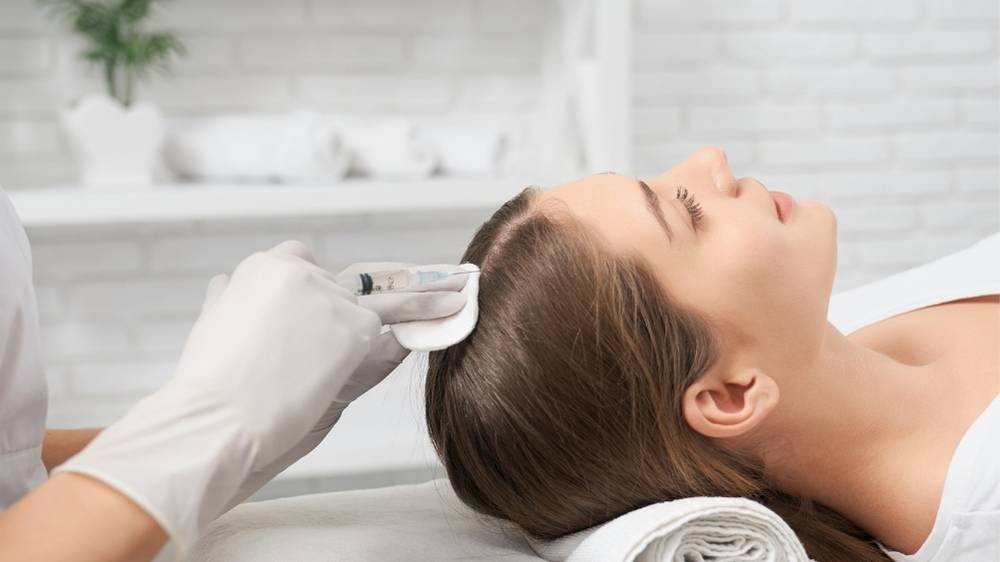
Understanding how post-surgical massage actually works
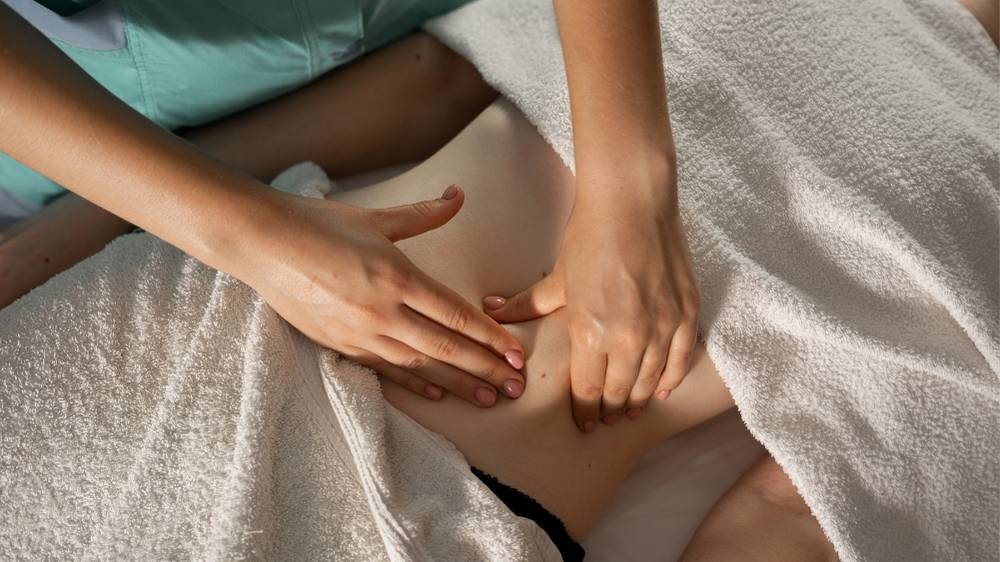
When we talk about massage in a post-operative context, we aren’t talking about the deep-tissue or sports massages you might get at a gym. In fact, that kind of pressure would be detrimental to a healing body. Instead, the focus is almost always on Manual Lymphatic Drainage (MLD). This is a very gentle, rhythmic technique that focuses on the lymphatic system, which is essentially the body’s waste disposal unit. During surgery, the lymphatic channels can be disrupted, and the body naturally sends fluid to the site of the trauma to protect it. This is why you experience swelling (oedema). If this fluid isn’t moved along, it can become stagnant, leading to increased pain, a longer recovery time, and even the risk of infection or fibrosis. Many patients find that booking a professional Post Operative Massage Glasgow is the single most effective way to manage these symptoms and ensure the best possible aesthetic and functional outcome.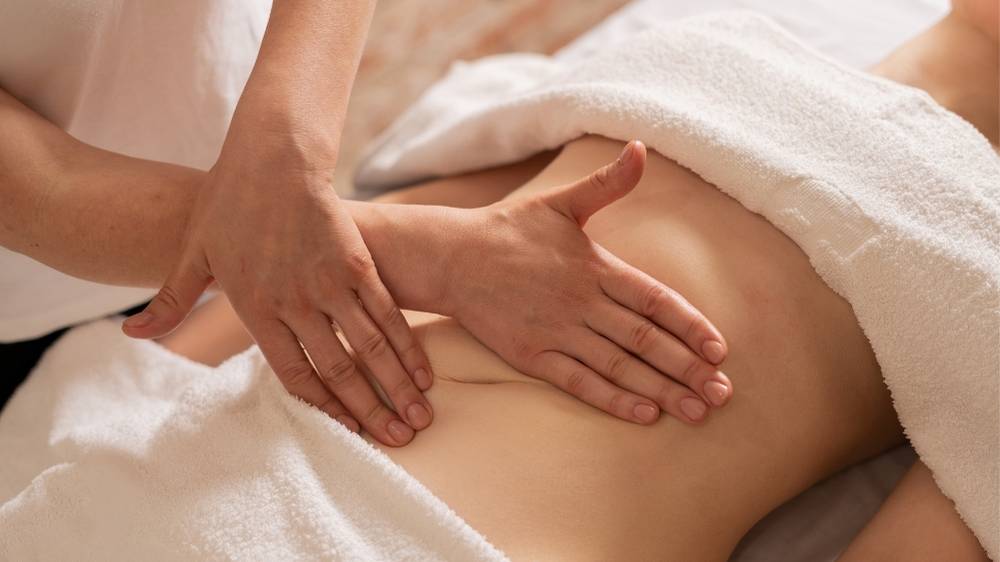
The main benefits of specialised aftercare massage
- Reduction in swelling and inflammation: By gently moving lymph fluid toward the lymph nodes, the massage helps the body clear out the excess fluid that causes that heavy, tight feeling after surgery.
- Pain management: Much of the pain after surgery comes from the pressure of fluid against the nerves. Once that pressure is relieved through drainage, many people find they need less pain medication.
- Prevention of fibrosis: Fibrosis is the development of thick, ropey scar tissue or hard lumps under the skin. It is particularly common after liposuction or tummy tucks. Regular massage helps keep the tissue soft and supple.
- Improved circulation: Better blood flow means more oxygen and nutrients reach the incision sites, which directly speeds up the healing process.
- Detoxification: Surgery involves anaesthesia and various medications. Supporting the lymphatic system helps your body flush these substances out of your system more efficiently.
Why the first few weeks are so critical
The window of opportunity for effective post-operative care is relatively short. The first six weeks after a procedure are when the body is most plastic—meaning it is still actively remodelling and healing. If you wait too long to address swelling or the formation of hard spots, they can become permanent or much harder to treat later on. This is why many surgeons in Glasgow now actively recommend that their patients start a course of lymphatic drainage as soon as they are medically cleared to do so, which is often within the first week after surgery. In Glasgow, we see a wide range of patients seeking these services. Some have had life-changing orthopaedic surgeries, while others are recovering from cosmetic procedures like liposuction, VASER lipo, or abdominoplasty. Regardless of the procedure, the physiological response of the body is similar: it needs help moving fluid and managing the inflammatory response. By incorporating a specialised massage programme, you are essentially giving your body the tools it needs to finish the job the surgeon started.What to expect during your session
If you have never had a lymphatic drainage session before, you might be surprised by how light the touch is. It can feel almost like a skin-stretching movement rather than a muscle-kneading one. This is because the lymphatic vessels are located just beneath the surface of the skin. Applying too much pressure would actually collapse these vessels, making the treatment ineffective. A skilled practitioner in Glasgow will know exactly how much pressure to apply and in which direction the fluid needs to be moved. The environment is usually very calm and clinical yet comfortable. You will be positioned in a way that supports your surgical sites, often using bolsters or pillows to ensure you are under no strain. Because the technique is so gentle, many patients find themselves falling asleep during the treatment, which is a testament to how relaxing it can be for a nervous system that has recently been through the stress of an operation.Common procedures that benefit from this care
- Liposuction and Body Contouring: These procedures create ‘tunnels’ under the skin where fluid can easily collect. Massage is essential here to prevent lumps and ensure a smooth result.
- Tummy Tucks (Abdominoplasty): The extensive nature of this surgery often leads to significant swelling around the waistline and hips.
- Facelifts and Neck Lifts: Swelling in the face can be particularly distressing. Gentle drainage helps restore your natural features much faster.
- Breast Augmentation or Reduction: Moving fluid away from the chest area can significantly reduce the feeling of tightness and discomfort.
- Orthopaedic Surgeries: Knee and hip replacements often result in heavy swelling in the limbs, which can limit mobility if not addressed.
Choosing the right practitioner in Glasgow
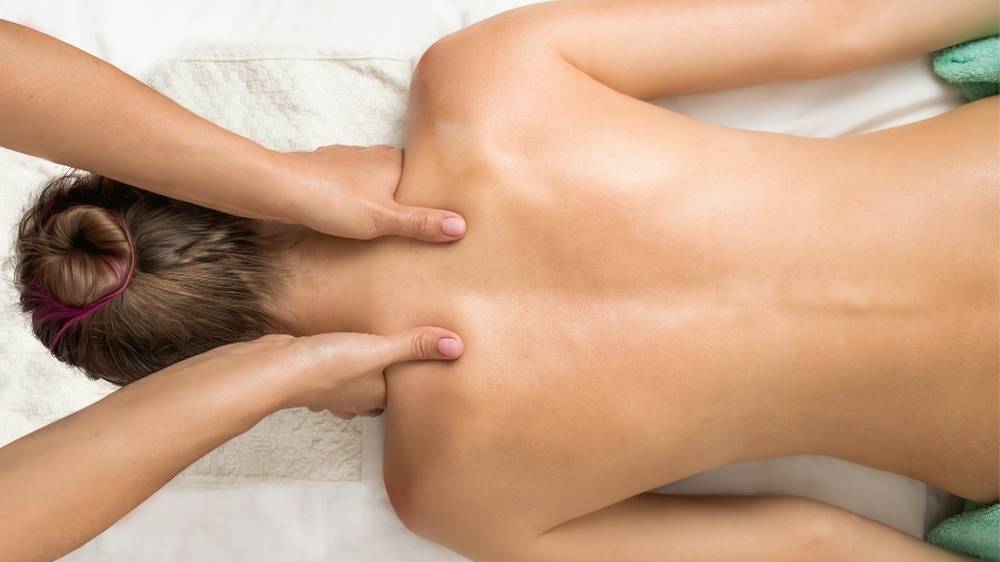
It is incredibly important to choose someone who is specifically trained in post-operative care. A general massage therapist may not understand the contraindications or the specific pathways of the lymphatic system after it has been altered by surgery. You want to look for a clinic that understands the science of healing and can work in tandem with the instructions provided by your surgeon. In a city like Glasgow, you have choices, but prioritising expertise and a clinical understanding of surgical recovery will always yield the best results. When you attend your first appointment, your therapist should take a full medical history, ask about your specific surgery, and check for any complications like infections or blood clots before proceeding. This level of care ensures that the massage is not only effective but also completely safe. They will often give you advice on compression garments, hydration, and gentle movements you can do at home to support the work being done in the clinic.The psychological impact of post-op care
Beyond the physical benefits, there is a massive psychological boost that comes from taking an active role in your recovery. The period following surgery can be lonely and frustrating. You might feel like your body isn’t yours for a while, or you might worry that the swelling will never go down. Having a regular appointment where a professional can monitor your progress, reassure you that what you are experiencing is normal, and physically help you feel better can make a world of difference to your mental wellbeing. This holistic approach to recovery is why the trend of seeking out specialised care is growing so rapidly. It’s about more than just ‘getting over’ an operation; it’s about healing well, feeling supported, and ensuring that the investment you made in your surgery pays off with the best possible results. Whether you are in the early stages of planning a procedure or you are currently in the thick of recovery, considering how a professional massage can fit into your plan is a step toward a smoother, faster, and more comfortable return to your daily life in Glasgow.
Oliver is a sports journalist covering the latest handball tournaments, team updates, and emerging talents. He brings readers in-depth coverage of domestic and international handball events.